Source Silicone Focal Bead for Jewelry, Pens, and Crafts
Explore 30 listings for silicone focal bead options suitable for jewelry making, pen customization, and DIY crafts. Buyers can compare materials like PVC and rubber, available colors, and supplier specifications to find the right fit for their projects; compare the available evidence and request quotations based on your requirements.
Key considerations
Products List
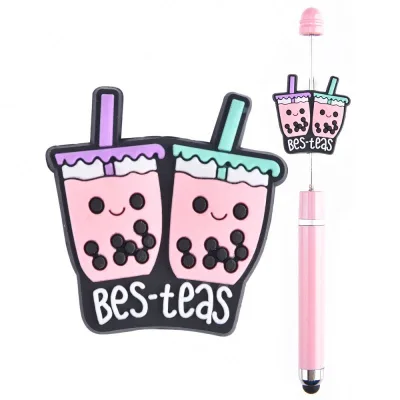
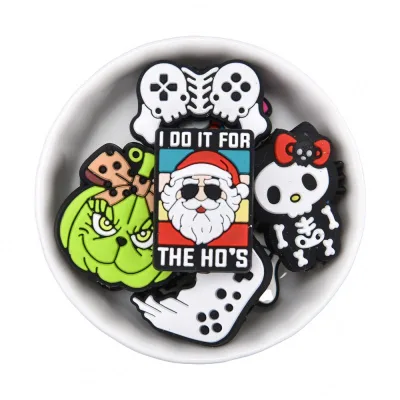
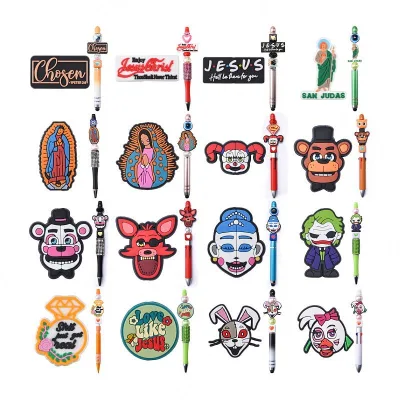
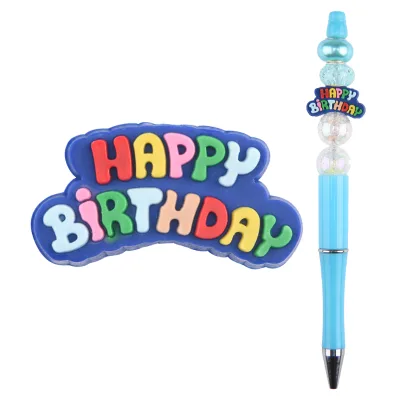




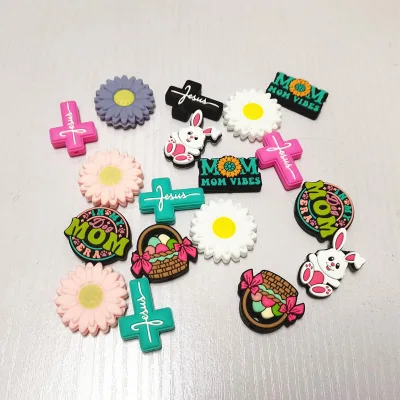

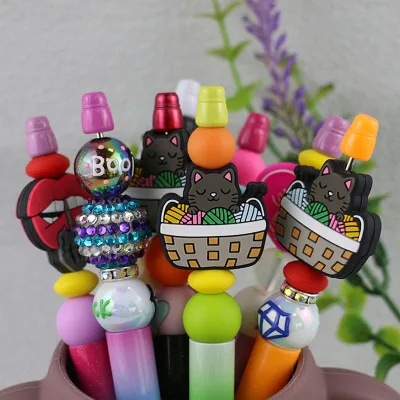
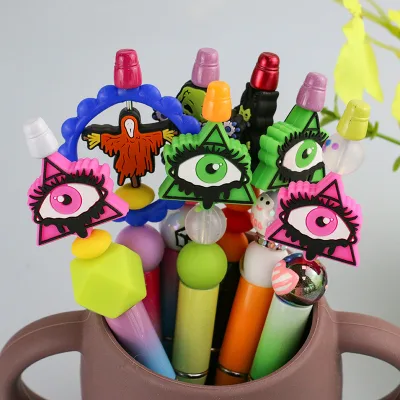
Comprehensive Sourcing Guide
Silicone Focal Bead Sourcing Guide
Buyers must first distinguish between the diverse material compositions observed in the current market, ranging from pure silicone to hybrid PVC blends and traditional glass or crystal options. The supplied data indicates that while some listings explicitly define the material as silicone or rubber, others list loose beads as crystal, lampwork, or glass, suggesting a need for rigorous material verification before finalizing any order. This distinction is critical because the physical properties, such as flexibility and durability, vary significantly between these categories, directly impacting the suitability of the beads for specific jewelry or pen decoration applications.
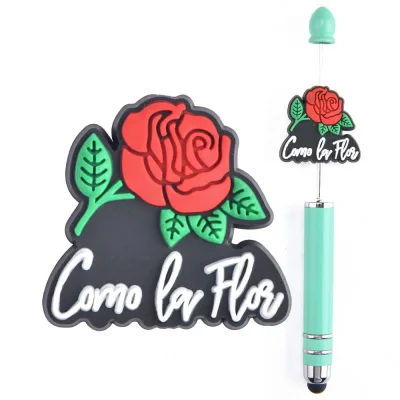
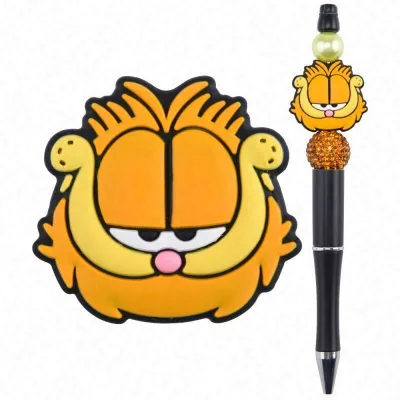
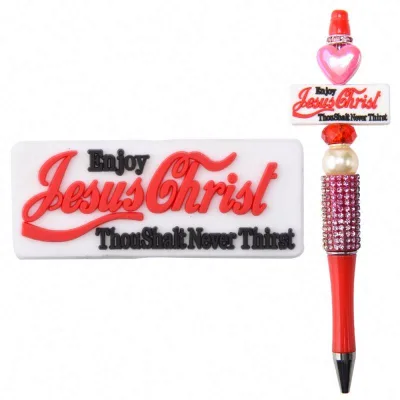
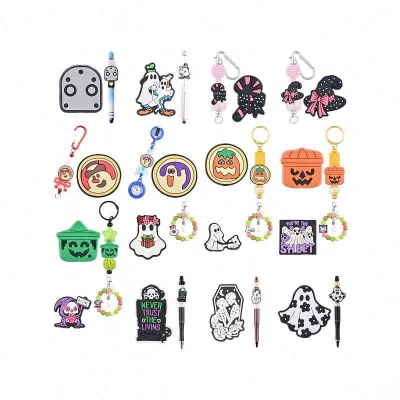
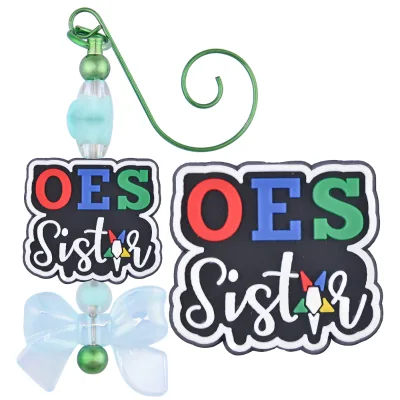
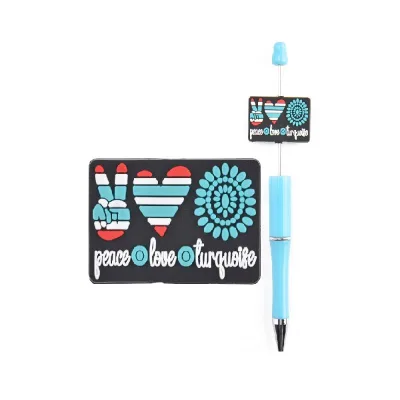
Procurement teams should also scrutinize the shape and dimensional consistency, as the observed inventory includes both irregular shapes and precise round forms with diameters ranging from 22mm to 30mm. The presence of custom color codes and specific model numbers like "cartoon pvc focal beads" or "christmas focal beads" highlights the importance of matching the visual aesthetic to the intended design theme. Buyers should verify that the selected item's diameter and shape align with their assembly requirements, ensuring that the focal point serves its decorative purpose without compromising the structural integrity of the final product.
Product Scope and Observed Listing Signals
The market for silicone focal beads demonstrates a wide spectrum of applications, extending from general DIY jewelry making to specialized uses such as pen beads and ball point accessories. Listings explicitly mention usage for pens and jewelry sets, indicating that these components are versatile enough to serve both functional writing instrument customization and decorative craft projects. Buyers should analyze the specific usage tags provided by suppliers to ensure the product matches their intended end-use, as a bead designed for a pen mechanism may not possess the necessary aesthetic or structural qualities for a necklace centerpiece.
Color availability is another critical signal, with suppliers offering extensive palettes ranging from specific pen codes like pen011 to broader silicone focal bead series such as sfb6028. The data shows that many vendors support custom color requests, allowing buyers to tailor the product to specific brand identities or seasonal themes like Christmas. However, the sheer volume of color codes suggests that buyers must clearly communicate their exact color requirements during the inquiry phase to avoid receiving mismatched inventory, as the standard offerings may not cover every specific shade needed for a cohesive design.
Technical Specifications to Verify
Dimensional accuracy is paramount when selecting focal beads, as the observed listings specify item diameters of 22mm, 30mm, and free sizes, alongside varying package dimensions. Buyers must confirm that the physical size of the bead matches the design specifications of their project, particularly when the beads are intended to be the central feature of a piece. The variation in package sizes, such as 2x2x2 cm versus 5x5x5 cm, also indicates differences in bulk packaging that can affect shipping costs and storage requirements, necessitating a clear understanding of the unit weight and volume before placing an order.
Material composition and physical properties require careful validation, as the data lists materials including silicone, PVC, rubber, and even glass or crystal under the same product category. It is essential to verify the specific material composition for each order, as silicone offers distinct washable and flexible characteristics compared to rigid glass or PVC options. Buyers should request detailed material specifications to ensure the beads meet the necessary durability and safety standards for their application, especially if the final product will be handled frequently or exposed to moisture.
Compliance and Safety Documentation
Safety compliance is a non-negotiable aspect of sourcing, with the observed data indicating that some suppliers provide third-party appraisal certificates. Buyers should explicitly request these certification documents to verify that the materials used, particularly silicone and PVC, meet international safety standards for consumer products. The presence of a third-party appraisal suggests a level of quality control, but it is crucial to confirm that the specific batch of beads being ordered is covered by the certification, as standards can vary between different production runs and material types.
In addition to general safety certifications, buyers must ensure that the products comply with regulations regarding chemical content, especially for items intended for children or close skin contact. While the supplied facts do not list specific chemical test results, the mention of washable features and specific material types implies a need for verification against standards like REACH or CPSIA. Procurement teams should include clauses in their purchase agreements that mandate compliance with relevant safety standards, ensuring that the supplier provides up-to-date test reports for every shipment to mitigate liability risks.
Cost Drivers and Commercial Terms
Pricing in this category is influenced by material costs, customization requirements, and order volume, with observed price ranges spanning from $0.03 to $20 per unit. The significant variance suggests that factors such as the complexity of the design, the specific material used, and the level of customization directly impact the final cost. Buyers should analyze the cost structure of their specific requirements, understanding that custom colors or unique shapes may command a premium over standard inventory items, and should negotiate based on the total value rather than just the unit price.
Minimum Order Quantities (MOQ) and payment terms are also key commercial factors, with observed MOQs ranging from 10 pieces to 1000 units depending on the supplier and product type. The data shows that some vendors offer low MOQs of 10 or 20 pieces per design, which is beneficial for small businesses or prototyping, while others may require larger volumes to achieve optimal pricing. Buyers should clarify the payment methods accepted, such as PayPal, TT, or Trade Assurance, and ensure that the terms align with their cash flow management strategies while providing adequate protection against non-delivery or quality issues.
Supplier Qualification and Quality Control
Supplier qualification should focus on verifying the consistency of their production capabilities and their ability to meet specific customization requests. The observed data includes multiple brand names and model numbers, indicating a competitive market with various suppliers offering similar products. Buyers should assess the supplier's track record in handling custom orders, as the ability to support custom colors and specific model numbers is a strong indicator of their manufacturing flexibility and quality control processes.
Quality control measures must be established to ensure that the delivered beads match the agreed-upon specifications regarding shape, color, and material. The presence of irregular shapes alongside round forms suggests that buyers need to define clear acceptance criteria for dimensional tolerances and visual defects. Implementing a pre-shipment inspection protocol is advisable, particularly for large orders, to verify that the beads meet the required standards for weight, diameter, and finish before they are shipped from the origin in Fujian, China.
Long-Term Procurement Checks
Sustaining a successful supply chain requires regular audits of supplier performance and product consistency over time. Buyers should establish a schedule for reviewing supplier quality metrics, including defect rates and adherence to delivery schedules, to ensure that the long-term relationship remains productive. The dynamic nature of the market, with frequent updates to color codes and model numbers, necessitates ongoing communication to keep the product specifications aligned with evolving design trends and customer expectations.
Continuous monitoring of market trends and material availability is essential to mitigate risks associated with supply chain disruptions. Buyers should stay informed about changes in material costs and regulatory requirements that could impact the production of silicone and PVC beads. By maintaining a proactive approach to supplier management and staying updated on industry developments, procurement teams can ensure a steady supply of high-quality focal beads that meet their specific needs while adapting to any future changes in the market landscape.
FAQs
What materials are used for silicone focal beads?
Silicone focal beads are primarily crafted from silicone and PVC materials. Some listings also include crystal, lampwork, and glass options. These materials provide durability and flexibility, making them suitable for various jewelry applications. Buyers can choose based on desired texture and finish for their specific crafting needs.
Can I customize the color of silicone focal beads?
Yes, customization is supported for silicone focal beads. Suppliers offer a wide range of color codes, including pen011 through pen188 and sfb series options. Buyers can select specific shades to match their design requirements. This flexibility allows for precise branding and aesthetic alignment in custom jewelry projects.
What is the typical MOQ for silicone focal beads?
The minimum order quantity varies by supplier, typically ranging from 10 to 1000 pieces. Some vendors require a minimum of 10 pieces per design, while others may have higher thresholds. Buyers should check specific product listings for exact MOQ requirements to ensure they meet the supplier's purchasing criteria.
Where are silicone focal beads manufactured?
These beads are manufactured in Fujian, China. This region is known for its jewelry component production capabilities. Buyers sourcing from this location can access a variety of styles and materials. The origin indicates the supply chain route and potential logistics considerations for international orders.
What certifications do silicone focal beads have?
Products often come with third-party appraisal certificates. These certifications verify quality and safety standards for the materials used. Buyers can request these documents to ensure compliance with their market regulations. It is advisable to confirm specific certification types with the supplier before placing large orders.
How long is the sample time for these beads?
The sample preparation time is typically 5 to 7 days. This allows suppliers to produce and ship prototypes for quality verification. Buyers should account for this lead time when planning production schedules. Expedited options may be available depending on the supplier's current workload and shipping methods.